Firstplan 2025 Wrapped

As 2025 winds down, we take a review of the key projects and clients who have made this year a successful and busy one for the Firstplan team. Our year has been marked by significant planning achievements across retail, logistics, hospitality, residential, education and community sectors. From nationally significant infrastructure to sensitive heritage assets, our work has continued to support growth, regeneration and placemaking across the UK.  We extend our thanks to our clients, both old and new, for their instructions over the last year.

Our team has continued to grow this year in response to a busy workload, and we have welcomed Aurora Kenshole, Gemma Jenkinson, Rosa Perry, Alfie Spurr, and James Tarpy. We have also promoted a number of team members, Tito Arowobusoye,  Jeannie Banks, Jack Clemance, James Emblin, Josh Hindle, Gerard Manley, Abid Mirza, and Charlie Wan – we extend our congratulations to them.

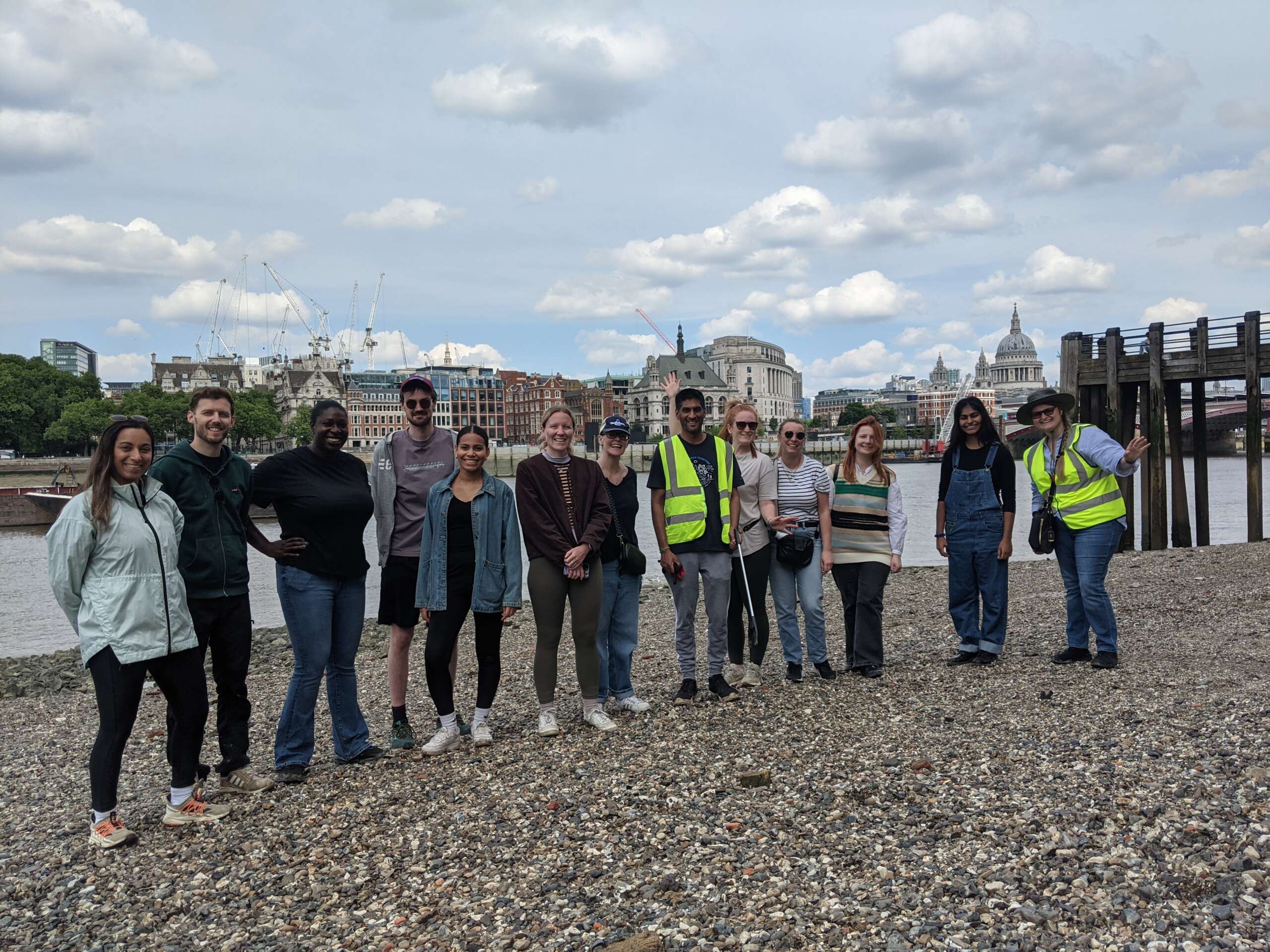
Firstplan have continued to volunteer for various causes and charities, and in May took part in the Litter Survey and Clean Up of the Thames foreshore, celebrating World Bee Day.  Joining forces with our longstanding client N Family Club and other local businesses, the day was spent logging and collecting litter along the Southbank. Firstplan also  hosted again this year a MacMillan Coffee morning in September to help raise vital funds for this worthy cause.
We were also delighted to be nominated for two prestigious industry awards this year. Our project at Derriford Commercial Centre in Plymouth, for which Firstplan provided planning support for the creation of a new district centre to serve residents in the north Plymouth area, won a ‘commendation’ in the RTPI South West awards for ‘Best Project’ and was nominated for a national RTPI award for ‘Excellence in Planning for a Successful Economy’. We are also delighted to have been shortlisted for ‘Education Adviser of the Year’ in the Education Property Awards, which takes place in February 2026.

RETAIL & TOWN CENTRES

Firstplan continues to advise on Waitrose’s convenience-format roll-out, with new stores opening in Bristol, Southwick, and Wandsworth, alongside its wider refurbishment and enhancement programme. We have also recently secured planning permission for a new neighbourhood-format store at Chelmer Village Retail Park, Chelmsford and have supported Waitrose with planning support for a number of applications to support the enhancement of their On Demand Grocery offer.

We continue to advise RM Williams with their new store opening programme in the UK, including securing the necessary planning, listed building and advertisement consents in Bath and on Jermyn Street, London.  We also continue to advise Smyths Toys on due diligence and planning strategy to support the new store programme with new sites opening at Biggleswade, Coventry, Darlington, Southampton, and York in 2025.

Firstplan also secured planning permission for the reconfiguration and refurbishment of the former Nuffield building to provide a new and enhanced leisure and restaurant offer at Crawley Leisure Park. We also continue to support our public sector clients in providing advice on retail and town centre needs and strategy.

Crawley leisure park – Image Credit: McDonald Architects

LEISURE, RESTAURANTS & RAPID DELIVERY

Our leisure, restaurants and rapid delivery sector has remained extremely busy during 2025. We continue to work with Popeyes and Burger King, and for the latter have secured planning permission for a number of new sites and conversions as part of continued expansion plans, including in Bishop Auckland, Leyland, Rhyl, Ryde (Isle of Wight) and Tamworth. We have also successfully amended the opening hours at stores in Aberdeen, Bognor Regis, Egham, Hempstead, Leeds, and Southampton to secure late-night trade and 24-hour drive-thru trade.

Burger King, Strand, London

We also continue to work with a number of longstanding clients, Everyman Cinema, Fatto O Mano, Farmer Jay, Five Guys, Nando’s, Oseyo, Pho and Wingstop who continue to expand their offering. Firstplan has also supported Dishoom with their expansion plans through planning applications on heritage sites across the UK. London’s first, and flagship, Permit Room in Portobello opened earlier this year, and we look forward to the opening of another Permit Room in Liverpool, as well as Dishoom Leeds, next year. Firstplan continue to work with Big Mamma Group on the roll out of restaurants across England. This has included the group’s new restaurants Barbarella, Canary Wharf, and Circo Popolare Manchester.

Circo Popolare, Manchester — Illustration Credit: Big Mamma Group/Studio Kiki

Overall, we have worked on a vast number of new restaurant openings in 2025 across town centre and retail park locations, including restaurants, drive-thrus and hot food takeaways across Great Britain and Northern Ireland.

Firstplan have been advising on planning strategy for the rollout of sites on behalf of Market Place, including at St Paul’s and most recently a flagship new site at Leicester Square, and secured consent for the use of Troubadour Brent Cross Studios as a flexible event space supporting a range of entertainment uses. Firstplan also obtained permission for a change of use from Use Class E to a performance theatre space which will be the home of Sisters Grimm, a leading musical and dance theatrical production company.

Market Place, St Paul’s, London — Image credit: FNSHD Architecture & Design

Firstplan have also secured planning permission for Lapland UK’s second site at Capesthorne Hall in Cheshire. Together with our excellent team of consultants, we’ve worked closely with Officers at Cheshire East Council and submitted a sensitive and robust planning application, along with a comprehensive case for Very Special Circumstances.  The Lapland UK experience in Cheshire will be transformative for the local economy with each year bringing an anticipated 1,200 seasonal jobs, 170,000 visitors, £2.5m visitor spend and £19.5m supplier spend, to the benefit of the region. We secured a 10-year permission, which will also generate revenue for the long-term upkeep and ongoing renovation of the Grade II* hall and grounds.

Lapland UK’s second site in Manchester – Image Credit: LaplandUK

EMPLOYMENT, LOGISTICS & INFRASTRUCTURE

Firstplan have continued to support Amazon and Costco on a number of sites in 2025. It is very exciting that both occupiers have had major successes this year, with Amazon opening its new warehouse in Hull, delivering c.187,000 sqm of B8 floorspace, and Costco securing consent for a new c. 13,000 sqm membership warehouse in Gloucester. Firstplan have been heavily involved in the planning of these projects and is pleased to see these schemes progress, creating in excess of 2,000 jobs when complete.

Firstplan continued to support CNG Fuels in delivering low-carbon infrastructure nationwide. We have secured planning permission for a new site in Warrington, set within the Green Belt. We secured it through a successful appeal, proving that sustainable infrastructure can be delivered in sensitive locations while respecting local policy and character. In Swindon, we secured a new site within a designated National Landscape, approved by the Planning Committee. This station will serve as a key link for HGV operators transitioning to biomethane.

Elsewhere, we provided planning support on behalf of CAMRO for the lawful implementation of a 65,000 sqm data centre in Sutton, East Cambridgeshire, and secured planning permission for the redevelopment of an outdated and inefficient industrial site at Eskdale Industrial Estate in Uxbridge to provide two new modern flexible Class E(g)(iii), B2 and B8 industrial units, which will enhance the function and appearance of this Strategic Industrial Location. We also secured a fit-out consent for Tradestars  to support studio space provision at their new Southwark facility.

Eskdale Industrial Estate –  Image Credit: RGP Architects

Firstplan continues to provide planning support for numerous national gas transporters, including National Grid, Wales & West Utilities, and SGN. This includes key infrastructure rationalisation strategies, demolition of gasholders and buildings, large scale remediation and engineering proposals and local plan representations to promote multiple sites across the UK.

Firstplan has acted on behalf of a range of clients in the rail freight sector. In February 2025, Firstplan secured planning permission for Express Concrete for a rail-served concrete batching plant in Plumstead, Greenwich. Acting for Network Rail in support of the operation of an aggregates railhead in Brandon, Suffolk, Firstplan successfully progressed an appeal dealing with lorry management requirements. More recently, Firstplan appeared at the Croydon Local Plan EIP, acting for Day Group, supporting the continued safeguarding of a strategically important minerals railhead.

In terms of water borne freight, over the summer Firstplan appeared at a four-week public inquiry for the called-in application for Northfleet Harbourside mixed-use redevelopment at Gravesham, Kent. Firstplan acted for the Port of London Authority (who were a Rule 6 Party) objecting to the scheme on minerals wharf safeguarding grounds and specifically the loss of the safeguarded Robins Wharf.

In the minerals and waste sector Firstplan secured planning permission for Cappagh Group in March 2025 for an extension of the operation of a quarry and an associated aggregate recycling facility in Addlestone, Surrey.

HOTEL & LEISURE

Firstplan have continued to provide planning consultancy support for The Vinyl Factory, in respect of extensive proposals at the Grade II* listed Oakley Court Hotel, Windsor. Firstplan secured a number of consents for an outdoor swimming pool in the walled garden, alongside numerous padel and pickleball courts and extensive landscaping. Further permissions allowed for extensive improvement works to the main hotel building and numerous curtilage listed structures located within the hotel grounds.

Firstplan also secured planning consent from Enfield Council for a high-end, recreational building within a residential plot, comprising a gym, sauna and entertainment areas, at 267 Pagitt’s Grove. Through an innovative design approach, an abundance of landscaping and careful coordination with the Council’s planning officers, it was possible to overcome the loss of garden space to deliver this unique building.

RESIDENTIAL & MIXED USE

Planning permission was obtained from the London Borough of Merton Council for a high-quality mixed-use development in Wimbledon Town Centre. This project will deliver nine new homes and an attractive commercial unit on the ground floor. The nine apartments will provide an excellent standard of accommodation with front and rear terraces, a communal garden, and a residents’ communal lounge/space. The commercial unit benefits from an open Class E use and presents a significant improvement on the current retail space at the site.

Wimbledon Broadway – Image Credit: Seedoe London Limited and the Kimen Group

Working with Levcan (developer) and Office S&M (Architects), Firstplan secured a series of consents to refurbish a prominent Victorian building in Sydenham, providing a new and improved ground floor commercial unit and  7 no. residential dwellings through Class MA Prior Approval and full planning permissions.

Sydenham Road, Sydenham – Image Credit: Office S&M architects

Firstplan is currently instructed by Mitheridge Capital and Halcyon Development Partners at their 8 storey, 337-room Co-Living development in Hackney Wick to secure consent to revise the design, as well as to enable the demolition and construction stages, through agreeing technical details with Hackney Council. We also obtained consent for the use of 43 Waverley Gardens, Barking as a Class C2 ‘live-in care facility for children and young people with complex needs’.

Elsewhere, Firstplan obtained consent for two detached houses in Uttlesford, the site was outside of a settlement boundary, but we were able to evidence that there would be no harm to the countryside, and the benefits of providing new dwellings in the absence of a five-year housing land supply should carry significant weight.  We began pre-application discussions in April and were pleased to achieve full planning permission before the target date in September, thanks to cooperative working with the planning officers. We have also obtained consent for a new house in the green belt in Surrey on the site of a former garden centre, and for urban infill plots, including a two-storey extension to a listed building, which provides a new house in Clapham.

We further secured planning permission for a comprehensive office refurbishment scheme in Richmond, including a variety of infill extensions and the activation of roof areas to create highly desirable roof terraces.

Hackney Wick – Image Credit – MORRIS+COMPANY and AXSON CGI 

COMMUNITY & EDUCATION

We have developed a collaborative and successful approach with our clients in the education sector, advising on over 60 sites in the last 12 months, and we have a strong and encouraging pipeline of new sites for 2026/2027. We continue to work with key operators in the sector, including continued expansion with Harkalm Group, Kinderzimmer UK, Melrose Education, and N Family Club. Some of the highlights in 2025 include the N Family Club sites in Barnet and East Dulwich, a new build nursery complex on behalf of Harkalm in Aylesbury, Kingsbrook, and new SEND schools in Blackheath and Eastleigh.

Firstplan continues to advise Buckinghamshire New University, in 2025, this has included the disposal strategy for Missenden Abbey, which is a Grade II listed Hotel dating back to the 12th century. The site is subject to a number of other sensitive heritage designations. Advice was provided on the development potential as a result of the Green Belt / Grey Belt changes proposed under the new Framework. Firstplan also secured planning permission for a new educational facility designed to teach pupils life skills for independent residential living at Castledon School, Wickford. Firstplan have also been working with V22 who provide affordable artists’ studios, we have assisted with their new site in Catford Town Centre as well as advising on their existing portfolio.
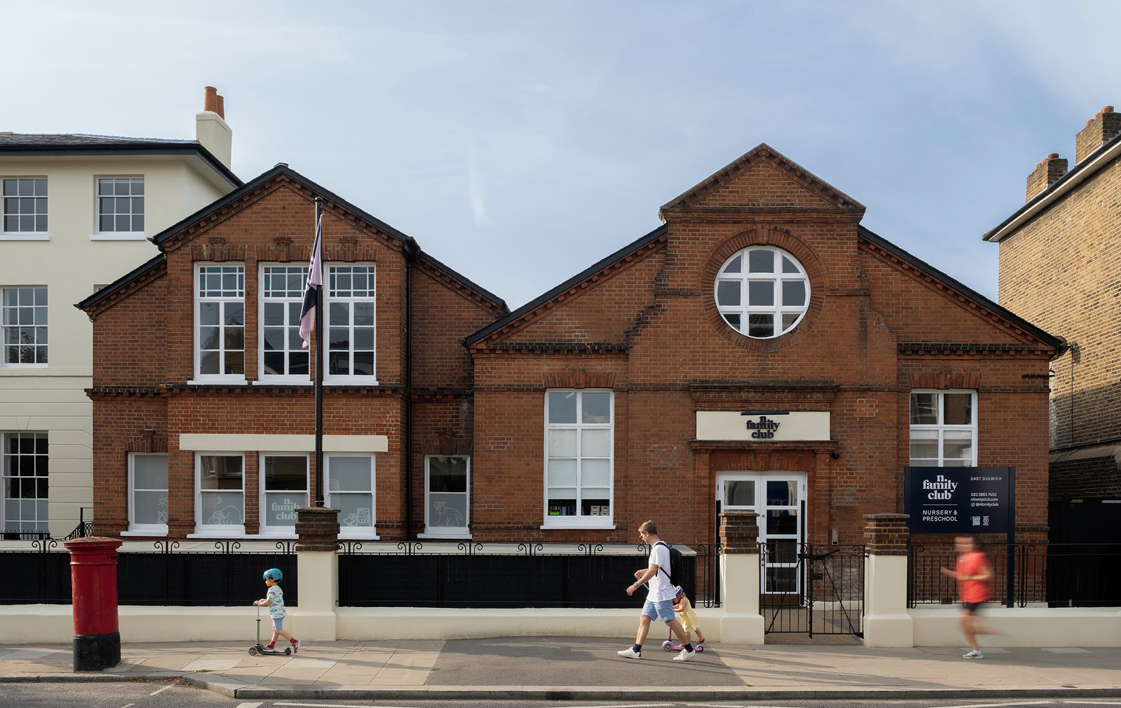
N Family Club, East Dulwich – Image Credit: N Family Club


As always, we extend our thanks to our clients, and the consultants, specialists, and architects that we work with for a successful year and look forward to another busy year in 2026.

 

Government Announces “Default Yes” for Train Station Housing: A Plan for Accelerated Home Delivery, Streamlined Consultations, and Enhanced Intervention Powers

On 18 November 2025, the Ministry of Housing, Communities and Local Government, Housing Secretary (Steve Reed), and Chancellor of the Exchequer (Rachel Reeves) announced proposals to accelerate the delivery of homes around well-connected train stations across England.

This package forms part of the Government’s wider ‘Plan for Change’, focused on boosting productivity, unlocking growth, and meeting previously announced aspiration to deliver 1.5 million homes. The measures are also intended to reduce planning delays, strengthen certainty for developers, and ensure more high-quality, affordable homes come forward in sustainable locations.

The key measures are summarised below.

Default “Yes” for Development Near Stations

A new “default yes” will apply to housing schemes located near well-connected train stations where they meet set criteria. This is intended to encourage housebuilding in sustainable locations, shorten planning timescales, and expand access to jobs, services, and transport for working families.

The policy will apply across all local authorities, including within certain Green Belt areas where the Government believes regeneration benefits are significant. Minimum housing density standards will also be introduced, expected to be exceeded on many sites, to make the most of sustainable growth opportunities.

Greater Intervention Powers for the Housing Secretary

Councils will now be required to notify the Government when they intend to refuse housing applications of 150 homes or more. The Housing Secretary will have the power to intervene and make the final decision, with particular focus on applications where a planning committee intends to refuse it contrary to the advice of planning officers.

Applications called in by ministers will also be sped up through the removal of mandatory requirement for public inquiries, allowing decisions to be reached through written representations where appropriate, and as a result, speeding up the determination process.

Streamlining Statutory Consultations

A second phase of planning reform will reduce the number of applications that must be considered by certain statutory consultees by up to 40%. Proposals include removing Sport England, The Gardens Trust, and Theatres Trust from the list of organisations requiring consultation by law.

This is intended to cut time and administrative burden for developers and planning authorities while ensuring essential consultees remain engaged on relevant matters.

Building on Platform4 and Brownfield Development

These reforms support ongoing work through Platform4, the new government-backed property company targeting delivery of 40,000 homes on brownfield land near train stations. Early sites being taken forward by Platform 4 include Newcastle Forth Goods Yard and Manchester Mayfield.

Conclusion

These measures signal a significant shift towards sustainable, transport-oriented growth, giving developers greater certainty and enabling the Government to intervene where locally led delays threaten to undermine housing delivery.

Further announcements to accelerate housebuilding are expected before the end of the year. We will continue to monitor these proposals on behalf of our clients.

The full press article can be viewed here: https://www.gov.uk/government/news/housebuilding-around-train-stations-will-be-given-default-yes

If you have any questions regarding upcoming sites or would like support preparing a consultation response, please contact the Firstplan team.

Article prepared by: Charlie Vann-Nicholls
Contact: info@firstplan.co.uk

Summer 2025 Promotions

Firstplan is pleased to celebrate a few of our own who have gone above and beyond in their roles. Several of our team members have been rewarded with well-deserved promotions, thanks to their hard work and dedication. We’re thrilled to see them move forward in their careers.

Congratulations to:

  • Jack Clemance – promoted to Senior Associate
  • Gerard Manley – promoted to Senior Associate
  • Tito Arowobusoye – promoted to Senior Associate
  • James Emblin – promoted to Associate
  • Joshua Hindle – promoted to Senior Planner
  • Jeannie Banks – promoted to Planner
  • Charlie Wan – promoted to Assistant Planner
  • Abid Mirza – promoted to Assistant Planner

These promotions reflect  continued commitment to recognising talent and supporting career growth within our organisation.

We extend our sincere congratulations to our promoted team members and look forward to their continued success in these new roles.

(Photo Image l-r: Jack Clemance, Gerard Manley, Tito Arowobusoye, James Emblin, Joshua Hindle, Jeannie Banks, Charlie Wan and Abid Mirza)

Firstplan welcomes ‘Build The Way’ apprentices

To coincide with last week’s National Careers Week, a one-week celebration of careers guidance and free resources in education across the UK, Firstplan were pleased to welcome three apprentices for the day as part of the Build The Way traineeship scheme.

The scheme, which sees trainees join a group of SME architectural practices — HUT, GPAD, Morrow + Lorraine and Shedkm — is a 9-month entry-level architecture traineeship, providing an alternative and accessible route into a career designing and making buildings, spaces, cities and communities. It specifically seeks to overcome the historic lack of accessibility, support and diversity within architecture and the built environment discipline. Additional mentorship is also provided by industry professionals POoR Collective and trainees are also enrolled at the London School of Architecture’s Extended Programme Qualification.

As part of the scheme, Firstplan provided the three apprentices with ‘A Day in The Life Of’-style work experience to give them an opportunity to engage with other professionals within the industry. The trainees each spent the day with a Firstplan Director and their team, undertaking activities such as site visits, client and in-house meetings and an external CPD event. In addition, introductory workshops were held on topics including the Use Classes Order and the planning application process. The trainees were then invited to use their newly-acquired skills in a range of practical tasks. The placement has provided the trainees with invaluable experience and insight into the interconnection between planning and architecture.

The Build The Way scheme has already received a commendation at the ‘Inspire Future Generations’ Awards and it aims to be part of the movement and debate around architectural education and training, changing the future landscape. Firstplan welcomed the opportunity to take part, and we look forward to contributing to the Build The Way scheme again in future years.

The Firstplan Team Expands

Firstplan are pleased to have welcomed six new colleagues to our team in recent months, as we continue to expand to deliver the best possible service to our clients.

Raveen Bhamra has joined the team as an Associate and has over six years of experience in the private sector, having previously also worked in the public sector, whilst Orla Thompson has joined Firstplan as an Assistant Planner and has previous private sector experience across several development sectors. Orla is working towards completing her APC to achieve RTPI chartership.

Joining the team as Graduate Planners are Darcey Morse, Charlie Wan, Abid Mirza and Myranda Morrison, who have all recently graduated with their Masters and MPlan Degrees, and are beginning their careers in planning with Firstplan.

Our new Graduate Planners reflect Firstplan’s commitment to investing in new talent at the start of their careers to help them develop the necessary skills in the industry and work towards professional recognition as chartered town planners. We are also working with London South Bank University on a work experience programme and will be hosting two placement students over the coming months.

In addition, Firstplan will also be participating in the ‘Build The Way’ programme in March, which is an entry-level architecture traineeship providing an alternative and accessible route into a career in the development sector.

For full details on the Firstplan team, please visit the Team section of our webpage.

We are always on the lookout for new colleagues at all levels of career experience, and anyone interested in exploring a career with Firstplan should email a CV and introductory cover letter to info@firstplan.co.uk

2023 Wrapped and Carbon Neutral Business Status

As 2023 comes to a close, Firstplan team members are reflecting on another successful year, and we would like to thank all of our clients, old and new, for their instructions throughout the last 12 months. The projects that we work on remain as diverse as ever, across a broad range of sectors and covering all parts of the country.

One of the highlights of the year was achieving Carbon Neutral status in 2023, working with Carbon Neutral Britain. Our management team has worked hard to minimise our carbon footprint and ensure that our remaining emissions are offset. We have chosen to partner with the Woodland Fund to contribute to carbon-offsetting projects worldwide. Our Carbon Neutral status is an important first step in our efforts to move towards Net Zero, which we have set ourselves the ambitious target of achieving by 2025.

A full summary of our year is provided in our newsletter in the link below.

Firstplan 2023 Wrapped

As we await all that 2024 has to offer, we would once again like to thank our clients and the many consultants and architects that we work with for another rewarding year.

Merry Christmas from all of us at

High Court Judgement Ruling on Section 73 Applications

The recent High Court ruling in the case of Armstrong v Secretary of State for Levelling-Up, Housing and Communities [2023] EWHC 176 reaffirms the principle of Section 73 (‘S73’) applications which can be used to amend conditions attached to an approved scheme, provided it would not conflict with the description of development permitted by the planning permission.

Section 73 of the Town and Country Planning Act 1990 (TCPA 1990) allows applicants to apply to alter or remove a condition attached to a planning permission without incurring the expense and risk of submitting a new full application.

The issue surrounding the scope of S73 applications was identified over the course of the High Court proceedings which concerned a 2007 permission to build a Swiss chalet-style home on the Cornish coast. In 2021, the applicant applied to vary the building’s design under Section 73 of the TCPA 1990. This application was refused by Cornwall Council on the basis that: “the proposed revised design completely alters the nature of the development and would result in a development that would differ materially from the approved permission”, falling outside the scope of S73.

A subsequent appeal against the refusal was dismissed by a Planning Inspector, by reason of the proposal falling outside of what is considered a ‘Minor Material Amendment’ (‘MMA’). However, once the case was presented to the High Court, the presiding Deputy Judge quashed the appeal decision, having found that the Inspector misinterpreted the scope of S73.

The judgement confirms that: “there is nothing in section 73, or in the TCPA 1990, that limits its application to “minor material amendments”, or to amendments which do not involve a “substantial” or “fundamental” variation”. It goes on to state that: “if Parliament had intended the power to restrict its application further (for example to limit it to “minor material” amendments to a condition, or non-fundamental variations to a condition) one would have expected that to be expressed in the language used and it could readily have done so”.

Instead, it clarifies that S73 applies to any application for planning permission for development of land: “without complying with conditions subject to which a previous planning permission was granted”.

The judgement also acknowledges the relationship between the decision in Finney which confirmed that a S73 cannot be used to vary the operative part of a planning permission. This established that one cannot use S73 to vary or impose a condition where the resulting condition would be inherently inconsistent with the operative part of the planning permission; that would also involve effective variation of the operative part of the planning permission as well.

The judgement focusses on the: “plain and ordinary meaning” of S73. Taking the principles laid out in this judgement and Finney, it states that: “section 73 is clearly intended to be a provision which enables a developer to make a section 73 application to remove or vary a condition, provided of course that the application does not conflict with the operative part of the planning permission”.

The judgement goes on: “The operative part of the planning permission is for the construction of a single dwelling on the Site. The proposed revision to the architectural style of the dwelling (however different in nature) does not conflict with that. It will remain a permission for the construction of a single dwelling on the Site”.

It was deemed that the redesign of the approved dwelling would not cause a: “change in the basic principle of what was being permitted on the Site, namely the construction of a single dwelling”. Accordingly, it was considered that this change could fall within the scope of S73.

Notwithstanding this, the judgement notes that: “the effect of giving the words used in S73 their plain and ordinary meaning so as to allow an application to be made for non-compliance with any planning condition which is not in conflict with the operative part of the permission does not, of course, dictate the outcome of that application. It simply means that the application can be entertained. Any such application would then fall to be determined on its planning merits”.

As a result, this judgement helps to clarify the principles surrounding the scope of the S73 process in allowing changes that do not conflict with the operative part of the planning permission and that the acceptability of any such changes will remain a judgement call for the decision maker.

Firstplan continues to monitor any changes in planning guidance and legislation. For advice regarding the S73 process, please contact Chris Jones who will be happy to advise on any related matters.

Article by Joshua Hindle

Infrastructure Levy: Technical Consultation

The Government has published a technical consultation on the proposed Infrastructure Levy (‘the Levy’), another significant reform set out within the emerging Levelling Up and Regeneration Bill (‘the Bill’). The Levy is intended to replace developer contributions currently encompassed by Section 106 (S106) agreements and the Community Infrastructure Levy (CIL).

The current consultation is intended to influence the preparation and content of the regulations, which, once drafted, will be subject to further consultation. The proposals apply to England only, with the current consultation running for 3 months, concluding on 9th June 2023.

We have summarised the key headlines of this consultation below.

Current system

Developer contributions are utilised to mitigate the impacts of new development through the provision of essential infrastructure such as affordable housing, schools, GP surgeries, green spaces and transport infrastructure.

There are currently two routes which are front-loaded within the planning process:

–    Planning Obligations: S106 agreements, negotiated with developers under S106 of the Town and Country Planning Act 1990.

–    CIL: a fixed charge levied on the floorspace of a new development.

Planning obligations are, nevertheless, criticised as ‘uncertain and opaque’, often resulting in significant delays to the final granting of planning permission. CIL is discretionary in principle and still only around half of all Local Planning Authorities (LPA) charge CIL. The Government has thus taken the opportunity to devise a new system to “reconsider how value is captured from new development and to create a simpler, non-negotiable, and streamlined system that can capture more value and provide better outcomes for communities”.

The new system

Crucially, the new system will become a mandatory charge in England, meaning more development overall will be captured into the regime of developer contributions. The new Levy is presented as a more efficient and transparent system, intended to ensure developers pay a “fair share” for affordable housing and local infrastructure.

Another key difference is that the Levy will be charged at the end of the planning stage. This would involve the total fee being calculated once a project has been completed, as opposed to the current arrangement, whereby the amount is negotiated during the final determination of proposals. This amendment is designed to allow Councils to benefit from increases in land value. The consultation sets out that the Levy will be charged on the value of the property at completion per square metre and will be applied above a minimum threshold.

The Levy rates and minimum thresholds will also be locally determined by the charging authority, with Councils also able to set varying rates within their authoritative area; when setting their rate consideration must be given to factors including the viability of development within the area and the desirability that rates can deliver affordable housing at a level equalling or exceeding the current rate in that area.

Developers would therefore be able to price the value of contributions into the value of the land, while also enabling Levy liabilities to reflect market conditions, thereby removing the need for planning obligations to be renegotiated if the gross development value is lower than originally expected. On the other hand, this system would allow local authorities to benefit from the uplift if this value is higher than anticipated.

The current consultation makes it clear that Levy charging schedules will be subject to a process of examination in public prior to adoption. It is also noted that the Secretary of State for DLUHC can intervene in the preparation of charging schedules in certain circumstances.

Development, for the purposes of the Levy, is defined at Section 204E(1) in Schedule 11 of the Bill. This definition is noted within the current consultation as broad and covering the creation of new buildings and changes of use in existing buildings. Forthcoming regulations will further clarify what is and is not to be treated as ‘development’ for the purposes of the Levy. Nevertheless, it is anticipated that most development types will be subject to the Levy, including residential, commercial and industrial development. LPAs will still be able to set different rates for different types of development, as per CIL arrangements. It is assumed that the current CIL definition of what constitutes ‘development’ will be maintained.

‘Integral’ infrastructure and ‘Levy-funded infrastructure’

To streamline the delivery of supporting infrastructure, two categories are proposed which are subject to the current consultation:

1) ‘Integral’ infrastructure needed for the functioning of a scheme, integral to how the site is designed and how it operates. This infrastructure is to be integrated into the build cost and will be delivered alongside the development. It is envisaged that planning conditions will be the main way of securing this category, with a ‘retained and narrowly’ targeted use of S106 agreements known as ‘Delivery agreements’, used to fill the gaps from planning conditions.

2) ‘Levy-funded’ infrastructure delivered by the LPA using cash receipts from the Levy. This category covers infrastructure not needed for a particular site but needed to address the cumulative impact of development. Examples include, inter alia, expansion or improvements to: healthcare infrastructure, schools and road/highway infrastructure. It is understood Levy receipts may be passed to third parties such as County Councils, highways authorities, and water and sewerage undertakers, if they are best placed to deliver the infrastructure.

Proposed Levy routeways

To provide flexibility for sites with complex infrastructure needs, three distinct routeways for securing developer contributions are proposed:

  1. The core Levy routeway

This is proposed for the majority of developments, with the Levy to be paid in cash by the developer. Liabilities will be based on final Gross Development Value (GDV) above a minimum threshold. ‘Delivery agreements’ are presented as the new form of S106 agreements, used to secure ‘integral’ infrastructure in circumstances where conditions cannot be used. The current consultation further outlines that under this routeway, affordable housing can be secured as an in-kind contribution of Levy liabilities; this means that the value of affordable housing secured can be offset against the total amount of Levy owed.

  1. Infrastructure in-kind routeway

This second option retains existing S106 obligations for large and complex sites, which often require bespoke and specialised infrastructure. For qualifying schemes, S106 obligations will be used as a tool to secure infrastructure and affordable housing as an in-kind contribution of the Levy. This routeway is regarded as a more flexible approach to accommodate the transformative impact that development has on a particular area. A key difference from the current S106 framework is the introduction of a ‘Levy backstop amount’: the value of the agreement cannot go below a certain monetary value. This routeway will only apply to qualifying sites that fall over a certain threshold based on site size; it is acknowledged that where the threshold for this routeway is set will have significant implications for the final design of the Levy, with differing threshold options proposed in the current consultation.

  1. S106-only routeway

It is proposed that a minority of developments, such as mineral and waste sites, will not be charged the Levy and will therefore remain subject to current S106 obligations.

The consultation states that an overarching framework for these three routeways will be outlined in regulations, following further consultation. Based on this framework, the routeways which will apply to a particular kind of site will be set out in the Local Plan.

Levy rates and minimal thresholds

The Bill will allow provision to be made in the regulations for Levy charging authorities to set ‘stepped’ rates which increase at specified future points. The consultation notes that this mechanism will “serve as a useful tool when implementing the Levy, reducing the risks of both overly ambitious rate setting (which may lead to landowners withholding land) and overly cautious rate setting (which could see a reduction in value captured)”.

The consultation goes on to state that Levy rates and minimum thresholds should be set at levels appropriate to be charged to sites that are typical of a typology of development which is in a local authority’s area. In doing so, they will balance the need to capture land value uplift with the need to ensure that development remains viable”.

Permitted Development Rights

Currently, permitted development rights (PDR) which create additional floorspace can be subject to developer contributions. Nevertheless, most PDR relate to small householder development or do not create additional floorspace, meaning many such permissions do not fall within the scope of developer contributions. The Bill has been designed to accommodate capturing PDR subject to a provision that is made in regulations.

It is proposed that the Levy will only be charged for PDR applications when the value of the measured extent of the scheme is over a certain threshold, resulting in PDR schemes more likely to have a transformative effect on the surrounding area being captured within the Levy. The minimum threshold could be set through regulations at £x per m2 of development, with the LPA able to set higher thresholds where appropriate. To ensure that this approach is standardised, this ‘value threshold’ would be set nationally in Levy regulations.

The Government also proposes that a maximum Levy charge would be set for permitted development schemes to protect viability. A suitable value threshold for qualifying permitted development is sought during this consultation.

Charging and paying the Levy

In a departure from current CIL arrangements, final Levy liabilities will be based on the GDV at completion, which will be responsive to market conditions. As the final GDV will be reflected in the sales price of the development, or a valuation of the market price if the development is not sold, the need for obligations to be renegotiated if GDV is lower than expected is removed. Further, an LPA will be able to share in the uplift if GDVs are higher than anticipated.

Infrastructure Delivery Strategies

The Bill requires local authorities to draft Infrastructure Delivery Strategies: a strategy for delivering local infrastructure and spending levy proceeds. These strategies are designed to provide an opportunity for an LPA to take a more strategic approach to the way in which infrastructure is planned and funded.

‘Right to require’

The consultation sets out that, for most schemes, payment of the Levy will require a certain percentage of the liability to be delivered in-kind as affordable housing, which thereby removes the need for negotiations on this type of infrastructure to be negotiated on a site-by-site basis.

A new ‘right to require’ will enable LPAs to outline the proportion of the Levy they want delivered as affordable homes and what proportion they want delivered as cash. This is designed to ‘strip negotiation’, as, within the current developer contributions arrangement, developers often negotiate down affordable housing levels owing to viability. This mechanism is thus designed to strengthen the ability of local authorities to secure affordable housing, with limited scope or incentive for developers to provide less on viability grounds.

The consultation clarifies that on mixed-use development, where a portion is used for commercial purposes and another for residential, the ‘right to require’ will only apply to the residential portion of the site.

Neighbourhood share

The consultation also introduces the concept of ‘neighbourhood share’, intended to enable communities to profit from a portion of the amount generated directly, to fund their specific infrastructure needs. This will build on the approach taken in CIL, in which a proportion of funds are passed on to a parish or town council.

Exemptions

The consultation suggests that the Levy will replicate the existing CIL charitable relief exemption, with further exemptions or reduced rates to be set out in regulations. The Government could therefore, via regulations, set out other national exemptions or reduced rates for the Levy. In addition, exemptions for residential annexes and extensions and self-build housing will continue to apply under this new system.

Small sites

Reduced Levy rates may be charged on small sites. In practice this will mean that where a scheme meets this threshold, usually set at fewer than ten units, a reduced Levy rate will be set, and a local authority will not be able to require that a proportion of receipts are paid in the value of affordable homes.

Phased ‘test and learn’ rollout

Cognisant of the extent of significant change proposed, the Government has confirmed it intends to introduce the Levy over a gradual 10 year period through a ‘test and learn’ approach. The Levy will firstly be introduced in a representative minority of LPAs, prior to a nationwide rollout to all English authorities.

The consultation confirms that where sites have been permitted before the introduction of the new Levy, they will continue to be subject to their CIL and s106 requirements.

Summary

This particular facet of the emerging Bill has the potential to substantially streamline the system of developer contributions with a more consistent approach that removes unnecessary delays and provides additional funds to local communities. Crucially, the Levy is to be non-negotiable, meaning in principle, the amount of affordable housing set by the LPAs will be delivered. Pertinently, the Levy will be calculated from the GDV, and thus tied to development value, rather than calculated from the floorspace of a development.

Industry representatives have however questioned whether this new system will in fact ever be fully introduced, noting the prolonged roll out. Given the gradual transition, concerns have also been raised that it will slow the system down in the short term.

As ever, further key detail is outstanding with additional consultations planned over the next year. Firstplan continues to monitor the progress of the Bill through Parliament and will produce additional summaries in due course.

–     The Government’s Consultation is available here: Technical consultation on the Infrastructure Levy – GOV.UK (www.gov.uk)

–     Accompanying research by the University of Liverpool modelling the Levy is available here: Exploring the potential effects of the proposed Infrastructure Levy (publishing.service.gov.uk)


Article by Claire Stafford

Environmental Outcome Reports: Consultation

On the 17th March 2023, the Government launched its consultation on a new procedure which will supersede the current EU-derived Strategic Environmental Assessment (SEA) and Environment Impact Assessment (EIA) processes. It is proposed as part of the Levelling Up and Regeneration Bill (LURB) to secure powers to introduce new ‘Environmental Outcome Reports’ (EORs) for development projects in England. This new system was first announced in Spring/Summer 2022 when the Bill was initially published, as summarised in Firstplan’s earlier update here: Levelling Up and Regeneration Bill: Environmental Outcomes Reports – Firstplan .

In the recent Government press release, it was noted that:

“Our vision is for an assessment to be more effective as a tool for managing the effects of development on the natural environment, supporting better, faster, and greener delivery of the infrastructure and development we need.”

The Levelling Up and Regeneration Bill is currently before Parliament, and should it receive Royal Assent, it will provide the Government with the power to draft new EOR regulations in order to introduce an ‘outcomes-based approach’, which builds upon the provisions of the Environment Act 2021. It is the Government’s intention for this to “simplify and streamline the assessment process” in order to make it more effective in helping to achieve and deliver the UK’s environmental commitments.

There are a number of key points that can be taken away from the latest consultation, as summarised below:


–    Building upon the provisions of the Environment Act 2021, the new regime intends to provide an ‘outcomes-based approach’. Outcomes would be set by the Secretary of State and are understood to be subject to further consultation in the future. Notwithstanding this, the consultation outlines that the Government is proposing various guiding principles to ensure consistency of approach across environmental issues.

–    The consultation highlights that EORs will succinctly summarise and signpost underlying technical work carried out for development proposals. An EOR should contain:

1.  A short introduction (which references the project details in the accompanying Planning Statement);

2. A short, high level, summary of how reasonable alternatives and the mitigation hierarchy were considered early in the development of the project;

3.  An assessment of contribution towards achieving an outcome supported by the indicators set out in guidance, including:

> The residual effects of the environment identified through the underlying technical work, with relevant conclusions in the technical work clearly pinpointed;

> The current baseline and relevant trend data, similar identified;

> Commentary on levels of uncertainty for that data or indicator set;

> Proposed mitigation, and

>  Monitoring proposals.

4.  A summary of the contribution of the cumulative effects of the project as a whole on outcomes and how this relates to the conclusions of any strategic or plan level assessment.

–    Currently, there is a requirement for the consideration of reasonable alternatives to certain development proposals. The consultation highlights that there is confusion about the range and scale of reasonable alternatives that are required to be considered as part of the existing process. As part of the new consultation, it is explained that the new process will aim to ensure that the consideration of options with less consequential effects on the environment is carried out within the early stages. It is the intention that this will be more effective in delivering the greatest environmental gains.

–    The LURB outlines that development proposals will be categorised into one of two categories requiring EOR assessment. The first of these would require an assessment in all circumstances, with the second category requiring an assessment if certain criteria detailed within the relevant regulations are met. It is noted as part of the consultation that the details of which plans and projects require assessment will be consulted on as part of developing regulations.

–    It is suggested as part of the new regime that the Government wants to maximise the value of assessment through effective monitoring and mitigation, which is to be supported by powers to address issues, should they arise. A ‘new adaptive mitigation’ approach is proposed which would allow mitigation to be fine-tuned in response to greater certainty on effects following implementation.

–     It is noted that measures within the LURB would provide the government with the authority to require public authorities to report on the performance against specific environmental outcomes, which in turn, would assist the Government in generating a picture of whether and how environmental outcomes are being achieved across England.

–     It is set out within the new consultation that making sure that relevant authorities have the capacity and capability to successfully implement the changes proposed within the LURB is critical. It also notes that the Government will look to support and work alongside local authorities to ensure that they possess the capability and skills to deliver an efficient service and feel assured that they can protect our environment and deliver levelling up.

–    The consultation has provided respondents with the opportunity to give feedback on the length of the transition period that would be suitable between the new and current procedures, which includes the choice of six months, one year or two years.


The consultation is currently underway and will run until the 9th June 2023. It is understood that detailed provisions are to be set out in secondary legislation, which the Government will also allow further consultation on in due course. Full details of the consultation can be found here: Environmental Outcomes Reports: a new approach to environmental assessment – GOV.UK (www.gov.uk).

Firstplan will continue to monitor for any future consultations relating to EORs and will publish further updates in due course.


Article by James Emblin

Government to bring forward Airbnb planning reforms

The Secretary of State for Levelling Up, Housing and Communities, Michael Gove has recently confirmed in Parliament that the Government will bring forward new planning reform to manage the way in which residential dwellings can be used for Airbnb’s and other associated short-term holiday rentals.

The response came in light of concerns raised by Liberal Democrat MP Tim Farron who stated in the House of Commons earlier this week that it was creating “a big problem” in his Cumbrian constituency, further citing “the collapse of the long-term private rented sector into Airbnb” and the associated issues this is bringing to the local economy and the wider community. Other parts of the country, particularly those associated with seasonal tourism, are also known to be subject to similar issues to those identified in Cumbria.

Tim Farron asked Housing Secretary Michael Gove “Could he give me some assurance of when this government will change planning law to allow communities such as mine to control our housing stock, so that there are enough homes affordable and available for local families and local workers?”

“Of course, we want to have a labour market that works, and of course we want to have a tourism sector that works,” Mr Gove replied.

“But there is a problem in the private rented sector, particularly in beautiful parts of our country like those which he represents, where we do have homes which are turned into Airbnb’s and into holiday lets in a way that actually impedes the capacity of young workers to find a place where they can stay in the locale that they love and contribute to the economy of which they wish to be part.”

“We will be bringing forward some planning changes to the Levelling Up and Regeneration Bill which are intended to ensure that we have restrictions over the way that homes can be turned into Airbnb’s,” he added.

It is typically accepted that an individual can let out a property for short periods of time on platforms such as Airbnb, however Firstplan has seen inconsistent interpretations across the UK with regard to properties used as short term lettings, holiday rentals or party homes. This pattern of use can fall outside of the traditional Class C3 use, and may require planning permission.

It will be interesting to see if the Government seeks to adopt a clear classification for permanent Airbnb and holiday rental properties, to provide property owners with more certainty.

Under current regulations, Airbnb are required to occupy a 90-Day Rule whereby in Greater London, with The Greater London Council (General Powers) Act 1973 implementing a London-specific rule which restricts short-term renting of residential properties for more than 90 days in a calendar year. In accordance with the Deregulation Act 2015, homeowners can now rent out their properties (in London) on a short-term basis for up to 90 nights annually without requiring planning consent from the local authority. In the rest of England the 90-day threshold has not been applied which therefore gives home owners greater scope to rent out their property on a short term basis.

An amendment to the Levelling Up and Regeneration Bill has been tabled by Lord Foster which would enable neighbourhood plans to include policies relating to the proportion of dwellings that may be second homes and short-term holiday lets under new use classes. Another, tabled by Labour peer Baroness Hayman, allows for “regulations to be introduced to licence short-term rental properties”.

Irrespective of cross-party politics, there is a clear ambition to tighten planning regulations to protect local housing stock, and to preserve the vitality and prosperity of local communities. Allowing local planning authorities and community forums the powers to mitigate the unwanted effects of Airbnb’s over-expansion could certainly prove beneficial in managing housing stock in local areas as could the creation of a new use class for dwellinghouses. It will certainly be interesting to see what final form the amendments to the Levelling Up and Regeneration Bill take, and what potential impacts this will have on the wider planning system and the housing and visitor economies in the area where the issue is at its most pressing.


Article by Will Hayes